
When people imagine a software engineering career in Japan, they usually picture working in Tokyo.
The general vision is easy to grasp: large offices, long train commutes, endless job opportunities, and a tech scene concentrated in one major metropolitan area.
But that’s just one version of working in tech in Japan. Instead, I work fully remotely as a software engineer for a company based in Tokyo while living in Kumamoto, a city of around 700,000 people located on the Japanese island of Kyushu.
By the time I joined my current company, I had already been living and working in Kumamoto for about two years, as my previous employer had a branch office there. When I decided to change jobs, I was fortunate to find a company that allowed me to continue living in Kumamoto while working remotely.
In this article, I want to share what I’ve learned from living and working this way: the advantages, the disadvantages, and what type of person is most likely to prefer this lifestyle.
- The benefits of living outside a big city
- The downsides of not living in a major hub
- Is working remotely in Japan worth it?
Why I chose life outside the big city
Lower rent
This may be the most obvious benefit, but its impact on my daily life is bigger than I expected.
1K apartment comparison
I currently live in a 1K apartment in Kumamoto City, and my monthly rent is around 41,000 yen. When I first moved here, this was enough for my lifestyle. After I began working remotely, I realized that a small apartment with limited space can start to feel uncomfortable, especially when the same room is used for work, rest, and daily life.
Still, even this small apartment shows one of the advantages of living in a regional city. According to CHINTAI’s rental market data, the average rent for a 1K apartment in Kumamoto City is around 37,000 yen per month, based on the average across its five wards. In comparison, a 1K apartment in Tokyo’s 23 wards averages around 117,000 yen per month. For context, CHINTAI says its rent averages are calculated from listings currently published on CHINTAI, generally for properties constructed within the last 20 years and excluding management and parking fees.
2LDK apartment comparison
Remote work has also changed what I value in housing. Home is not just where I sleep anymore. It is also my office and my breakroom. Because of that, I have started thinking more seriously about having a separate workspace at home.
I am currently considering moving to a larger apartment, possibly a 2LDK, when my current apartment contract ends. In Kumamoto City, this still feels realistic. Based on CHINTAI’s data, the average rent for a 2LDK across Kumamoto City’s five wards is around 67,000 yen per month.
In central Tokyo, however, a similar apartment would be much more expensive. The average rent for a 2LDK in Tokyo’s 23 wards is around 255,000 yen per month, and in central areas it can be even higher. For example, some central wards such as Chiyoda, Chuo, Minato, Shinjuku, and Shibuya often average well above 300,000 yen per month for a 2LDK.
This is one of the biggest advantages of living in a regional city while working remotely. I can live cheaply if I want to, but even if I decide to spend more for a larger and more comfortable home office setup, it would still be much more affordable than living in central Tokyo.
A quieter, less hectic daily experience
One of the things I appreciate about living in Kumamoto is that daily life feels calmer. There are fewer crowds, less noise, and less of the constant hustle and bustle that people often associate with large urban centers. This is not only something I notice on weekends or holidays, but also in small moments after work.
Since I work fully remotely from my apartment, I sometimes take a walk around my neighborhood after spending the whole day indoors. It helps me keep my body moving and gives me a clear mental break between work and personal time.
My favorite drink there is the Rich Matcha Latte Frappe, but when I want something warm, I sometimes order a caramel latte with a donut. Spending time there after work listening to music, playing a mobile game, or reading a novel is one of my favorite ways to relax.
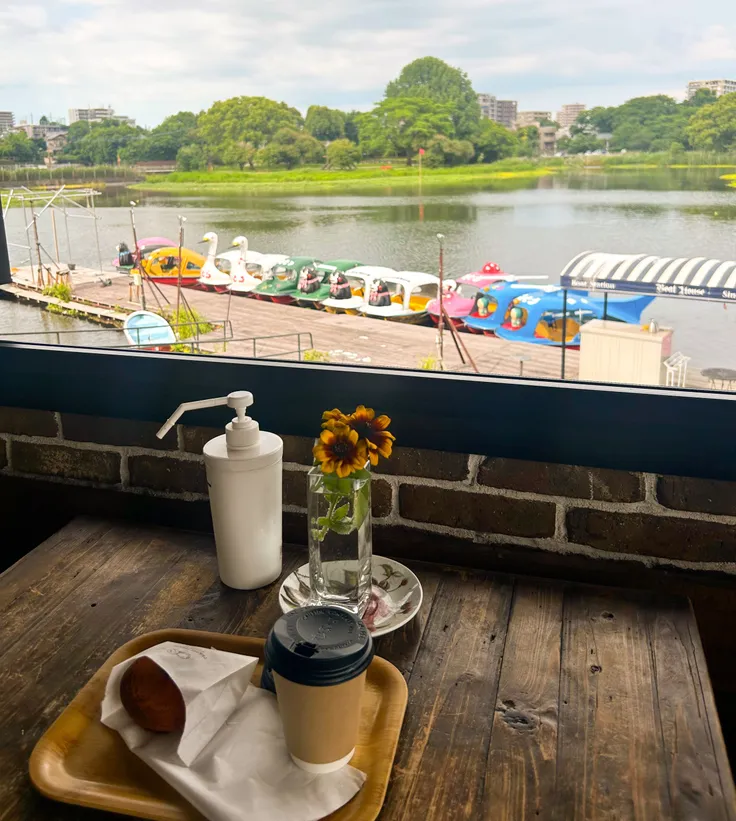
This has become one of the small routines that makes living in Kumamoto enjoyable for me. It is simple, but it gives my day a nice rhythm: work at home, take a short walk, spend some time by the lake, and return feeling refreshed. For remote work, that kind of rhythm makes a big difference.
Easier access to nature
Another benefit of living in a regional city is that nature feels much closer.
Because these spots are close to where I live, I can visit them casually without making it feel like a major trip. Local people also go there to enjoy the scenery, take a walk, or have a picnic with their families. For me, being able to access places like this so easily makes daily life feel more relaxed.
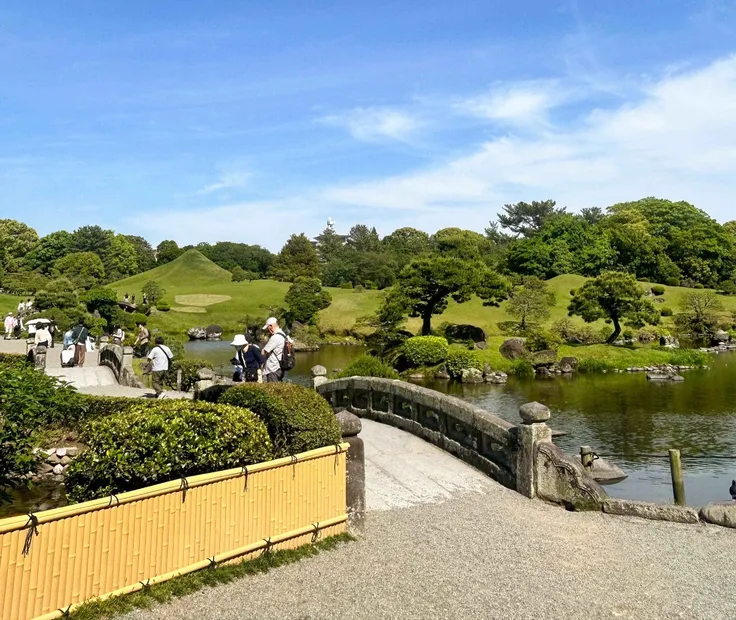
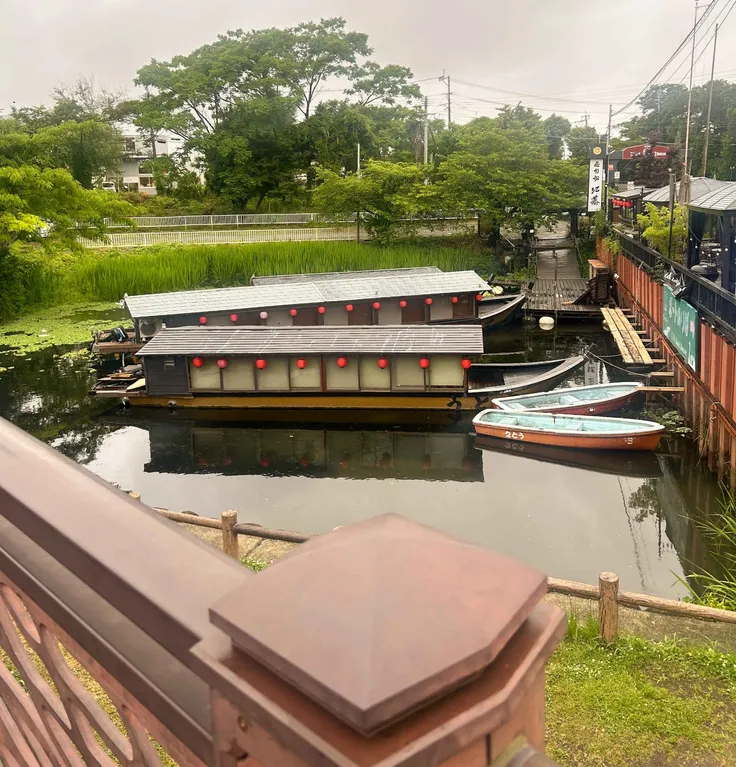
There are also bigger weekend trip options, such as Mount Aso, or nearby prefectures like Miyazaki and Kagoshima. To reach those places I usually travel by car, so having access to a car can make this lifestyle much easier. But even without planning a full day trip, Kumamoto has nature and scenic places close enough to enjoy in everyday life.
For someone working remotely, this proximity matters more than I expected. Since I spend most of my workdays at home, having easy access to nature helps me reset mentally. It gives me a clearer separation between work time and personal time.
Of course, if you enjoy nightlife, big events, and having endless options within walking distance, a large city may still be more attractive to you. But if you value outdoor space, quieter weekends, and the ability to recharge outside the city, living in a place like Kumamoto can be a major advantage.
The downsides of living outside a big city
Of course, this lifestyle isn’t always a winner. There are real disadvantages, and I think it’s important to be honest about them.
Fewer job opportunities if you want to change companies
Although remote work is becoming increasingly common, many opportunities in the tech sector in Japan are still concentrated in Tokyo.
Living in a regional city is easier if you already have the right job. But if you want to change companies, your options may become more limited. Some companies say they support remote work, but in reality, they still expect employees to come into the office regularly, or they prefer candidates who live near Tokyo.
Personally I found my current company through LinkedIn. At that time, I had been working in Kumamoto for about two years and was starting to look for new opportunities. Around then, my current company was hiring for a software engineer role. The job post already mentioned remote work, so I didn’t need to negotiate for that. I soon discovered that the CEO was also working remotely from outside Tokyo, in Kyushu, so I think that may be one of the reasons why a fully remote policy was possible.
Less convenience
In Kumamoto, public transportation is convenient enough for daily life, but it is not as fast or extensive as it is in Tokyo. The main options are tram, train, and bus.
I often use the tram because it runs through the center of Kumamoto City, but it is slower than the train. The train is faster, but the routes and frequency are much more limited compared with Tokyo. Buses are useful when I need to go somewhere that is not covered by the tram or train lines, but they also require more planning due to traffic delays and transfers.
Fewer international communities
Another difference is community and networking opportunities. In Tokyo, there seem to be many international residents working in tech, which makes it easier for English-speaking tech communities to form. Because of that, it is simple to find tech meetups, networking events, or social groups, sometimes even on short notice.
In Kumamoto, those opportunities still exist, but they are much more limited. It can be difficult to do the same kind of networking here, and even when international communities exist, they are not necessarily focused on tech. For example, there are language and cultural exchange events, and they can be good places to meet people, but not to advance your tech career.
When I was working onsite at my previous company in Kumamoto, I sometimes came across information about local tech events through our office. After I started working remotely, however, I no longer had that kind of casual flow of information from people around me. So now I need to be more proactive about looking for events online.
Fewer opportunities to build relationships in person
Remote working is efficient, but it changes the way intra-company relationships are built.
Because I live in Kumamoto and my company is based in Tokyo, I usually only meet my coworkers in person once every few months. Most of the time, our communication happens through chat and online meetings. This works well for daily tasks, but I have noticed that when communication happens mostly through chat, we tend to talk only about work.
At my company, we have an internal event called Engineer Scrum Week, which is held around once every three months. During this event, engineers gather at the Tokyo office and work onsite together for about a week.
Being in the office creates many more chances to talk about things other than work. During Engineer Scrum Week in particular, there are usually team-building activities where engineers play games or join contests prepared by the organizers. We also often have lunch together, and sometimes go out for dinner or nomikai (after-work drinks).
These moments may not look directly related to work, but I think they are important. Through casual conversation I can get to know my coworkers better as people. It becomes easier to ask questions, make small jokes, and communicate more naturally afterwards.
At the same time, how much the distance matters probably depends on your personality. Some people may be comfortable meeting coworkers in person only occasionally, while others may prefer more frequent face-to-face communication. In my case, I enjoy remote work, but I also find that meeting people in person helps me build relationships more naturally.
Is it worth it?
For me, yes.
Living in Kumamoto while working remotely for a Tokyo-based company has shown me that it’s possible to build a software engineering career in Japan without living in Tokyo.
But I wouldn’t describe it as the universally best option. I would describe it as a good option for the right person.
What matters is whether those tradeoffs align with your desired lifestyle and work environment.